Wednesday AUD/JPY Range Strategy: Exploiting Mid-Week Patterns
The Wednesday AUD/JPY range strategy targets the statistical tendency of AUD/JPY to establish its weekly range direction mid-week. Learn the specific day and time filters, entry rules, and why this pair-day combination has historically produced clean directional moves.
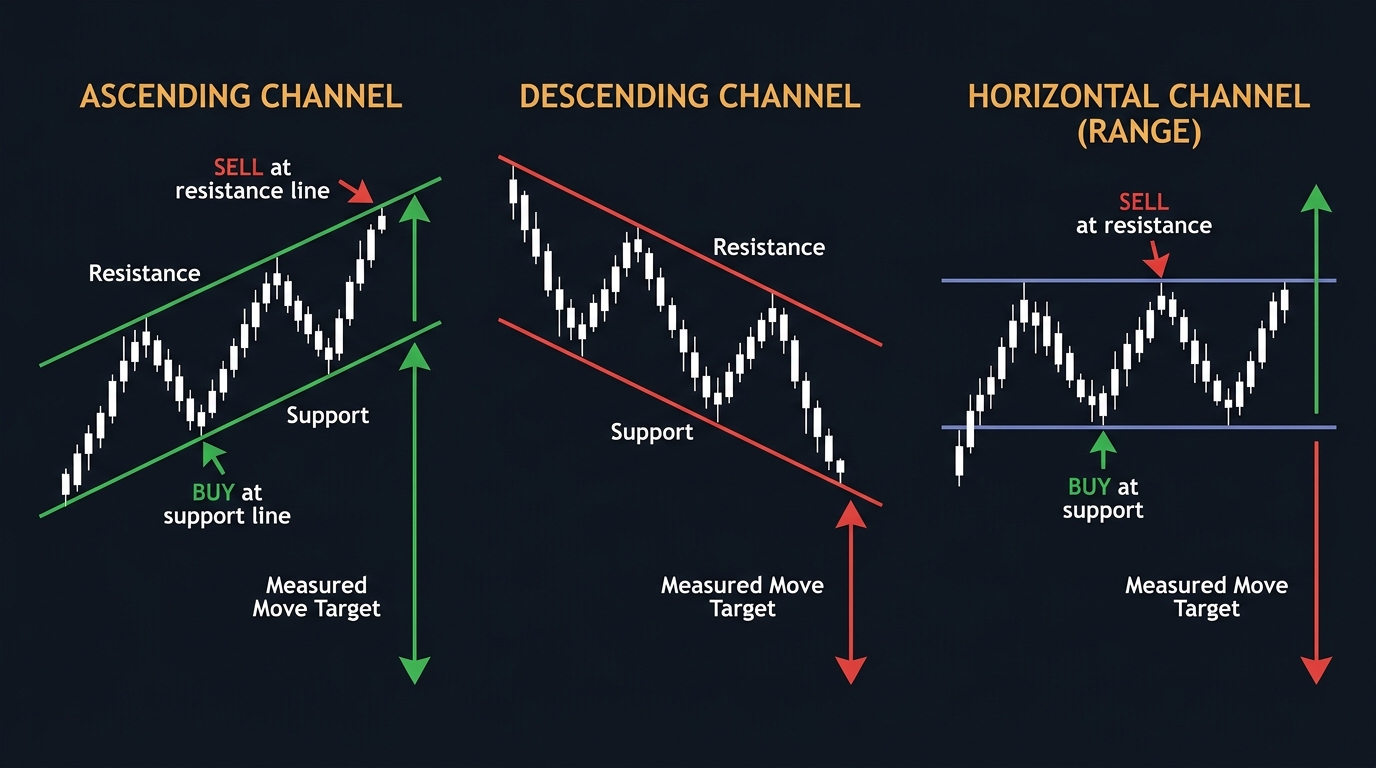
AUD/JPY is a unique pair — it combines the risk-sensitive Australian Dollar with the safe-haven Japanese Yen, making it one of the most technically responsive pairs to global risk sentiment. When global sentiment shifts, AUD/JPY moves clearly and often with sustained follow-through.
Wednesday is statistically the most active day of the forex trading week in terms of directional commitment for many pairs. The Monday-Tuesday consolidation after the weekend opening has typically resolved, and the directional move that will define the weekly range often establishes itself mid-week.
This strategy is built around these two structural factors.
Why AUD/JPY and Why Wednesday?
AUD/JPY characteristics in 2026:
- Daily ATR (14): 80–130 pips (high volatility relative to major pairs)
- Clear trend-following behavior (tends to trend strongly when global risk sentiment has a clear direction)
- Sensitive to: RBA policy, BoJ policy, China economic data (major Australian export market), and global equity market sentiment
- Technical structure: Responds well to support/resistance, Fibonacci, and moving average analysis
Why Wednesday:
- The Monday-Tuesday period often involves position adjustments from the weekend — less directional
- By Wednesday, the major economic releases of the week are often known or priced in (Monday-Tuesday data)
- Wednesday regularly produces the week’s directional breakout in pairs with clear weekly structure
- Thursday and Friday often see continuation or profit-taking from the Wednesday direction
This is not a rigid rule — it’s a probability-based filter that increases the odds of catching a sustained move versus random intraday noise.
Setup Requirements
Step 1: Weekend Preparation
Before Sunday/Monday open:
- Identify the previous week’s high, low, and close on the AUD/JPY weekly chart
- Draw the weekly pivot (PP, R1, R2, S1, S2) for the coming week
- Note the 4H and daily trend direction (above or below 50 SMA)
Step 2: Monday and Tuesday (Observation Only)
Do NOT trade this strategy on Monday or Tuesday. Observe:
- Which direction is price moving?
- Is there a clear bias (price staying above weekly PP or below it)?
- Are Monday-Tuesday candles directional or choppy?
Note the Monday-Tuesday high and low. These levels may become the trigger zones for Wednesday.
Step 3: Wednesday Entry
Bullish Wednesday setup:
| Condition | Requirement |
|---|---|
| Weekly bias | AUD/JPY above weekly PP |
| Monday-Tuesday observation | Consistent buying pressure; price holding support |
| Daily trend | Price above 50 SMA daily; uptrend intact |
| Wednesday signal | 1H candle breakout above Monday-Tuesday high |
| Entry | Long at next 1H candle open after the breakout candle |
| Stop-loss | Below the Monday-Tuesday range low (or 2× ATR below entry) |
| Take-profit | Weekly R1 or R2 depending on distance |
Bearish Wednesday setup:
| Condition | Requirement |
|---|---|
| Weekly bias | AUD/JPY below weekly PP |
| Monday-Tuesday | Consistent selling pressure; price unable to reclaim resistance |
| Daily trend | Price below 50 SMA daily |
| Wednesday signal | 1H breakout below Monday-Tuesday low |
| Entry | Short at next 1H candle open |
| Stop-loss | Above Monday-Tuesday range high (or 2× ATR) |
| Take-profit | Weekly S1 or S2 |
Key Risk Considerations for AUD/JPY
BoJ intervention risk: In 2025-2026, the Bank of Japan has been managing its rate normalization carefully. AUD/JPY is affected by JPY moves when BoJ makes surprise announcements. If AUD/JPY is near multi-year highs, intervention risk increases — tighten stops accordingly.
China data sensitivity: AUD/JPY often reacts strongly to Chinese PMI data (monthly, Caixin), trade balance, and National Bureau of Statistics economic data. A negative China surprise can move AUD/JPY 50–100 pips quickly. Check the Chinese data calendar for the week before trading this strategy.
RBA meetings: Reserve Bank of Australia meetings occur 8 times per year. In the week of an RBA meeting, avoid this Wednesday strategy — the meeting (typically Tuesday morning Sydney time) resets the directional bias and the Monday-Tuesday observation period is distorted.
Position Sizing
AUD/JPY’s high ATR (80–130 pips daily) requires wider stops than major pairs:
Example:
- Account: $5,000 | Risk: 1% = $50
- Stop-loss: 120 pips (typical with 2× ATR for AUD/JPY)
- Pip value (0.1 lot AUD/JPY): $0.90
Position Size = $50 / (120 × $0.90) = 0.46 mini lots → round to 0.04 standard lotsUse the position size calculator — AUD/JPY pip values differ from EUR/USD.
Key Takeaways
- AUD/JPY is a risk-sensitive pair that moves clearly with global sentiment; its high daily ATR creates tradeable mid-week directional moves
- Wednesday is the trigger day: observe Monday-Tuesday without trading, then enter on Wednesday’s breakout of the Monday-Tuesday range in the weekly bias direction
- Weekly PP position establishes the base bias: above PP → prefer longs; below PP → prefer shorts
- BoJ intervention risk is a specific AUD/JPY factor in 2026 — tighten stops and avoid this strategy when AUD/JPY is near multi-year extremes
- Avoid in RBA meeting weeks — the Tuesday RBA decision distorts the Monday-Tuesday observation period
- Account for AUD/JPY’s wide ATR in position sizing; use the position size calculator with the actual pip value for the pair
Related strategies: Carry Trade | News Trading
Related lessons: Macroeconomic Indicators | Role of Central Banks
Tools: Position Size Calculator
Risk Disclosure & Testing
Past performance of any trading strategy is not indicative of future results. Always backtest and forward test this strategy on a free demo account before committing real financial capital.

Practice This Strategy on a Live Demo
Choose an ECN broker with tight spreads and fast execution for strategy backtesting.